
Interactive Social Studies Games, Simulations & History Presentations
Your Source for Interactive History Simulations and Engaging Presentations
Interactive, Hands-On Resources To Engage Your Students And Increase Higher-Order Thinking Skills
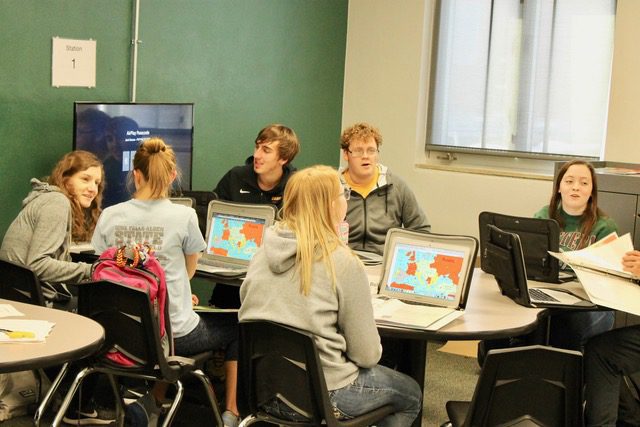
In our History Simulation lesson activities, your students are assigned roles as world leaders and given objectives that mirror the national interests of those countries.
Guided by these objectives, students conduct diplomacy, negotiate with other countries, and develop strategies. This creates a dynamic classroom where students are self-motivated to be engaged as they are confronted with complex situations and difficult decisions.
With our new online World History Simulator Platforms, you'll find implementing Gamification easier than ever to administer, and they'll create an even better experience for your students!
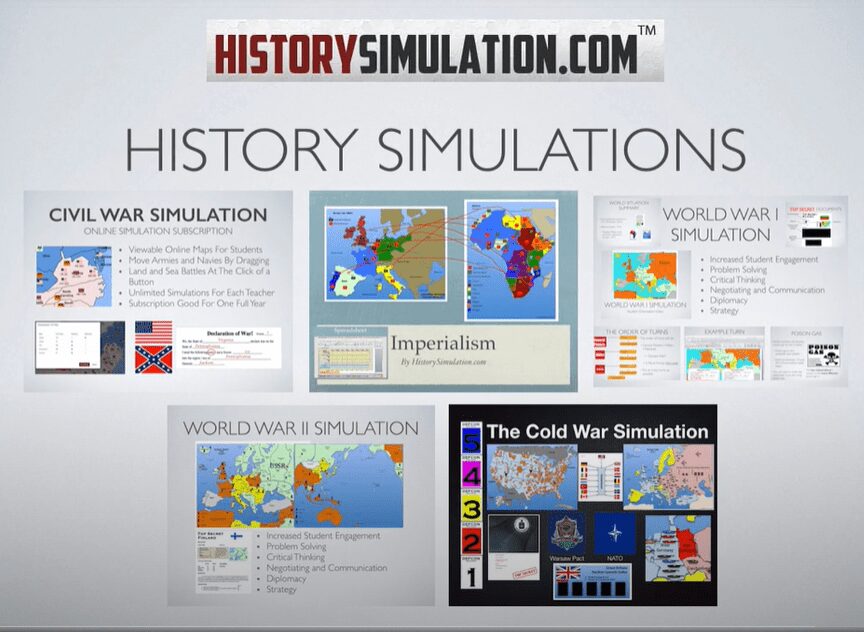
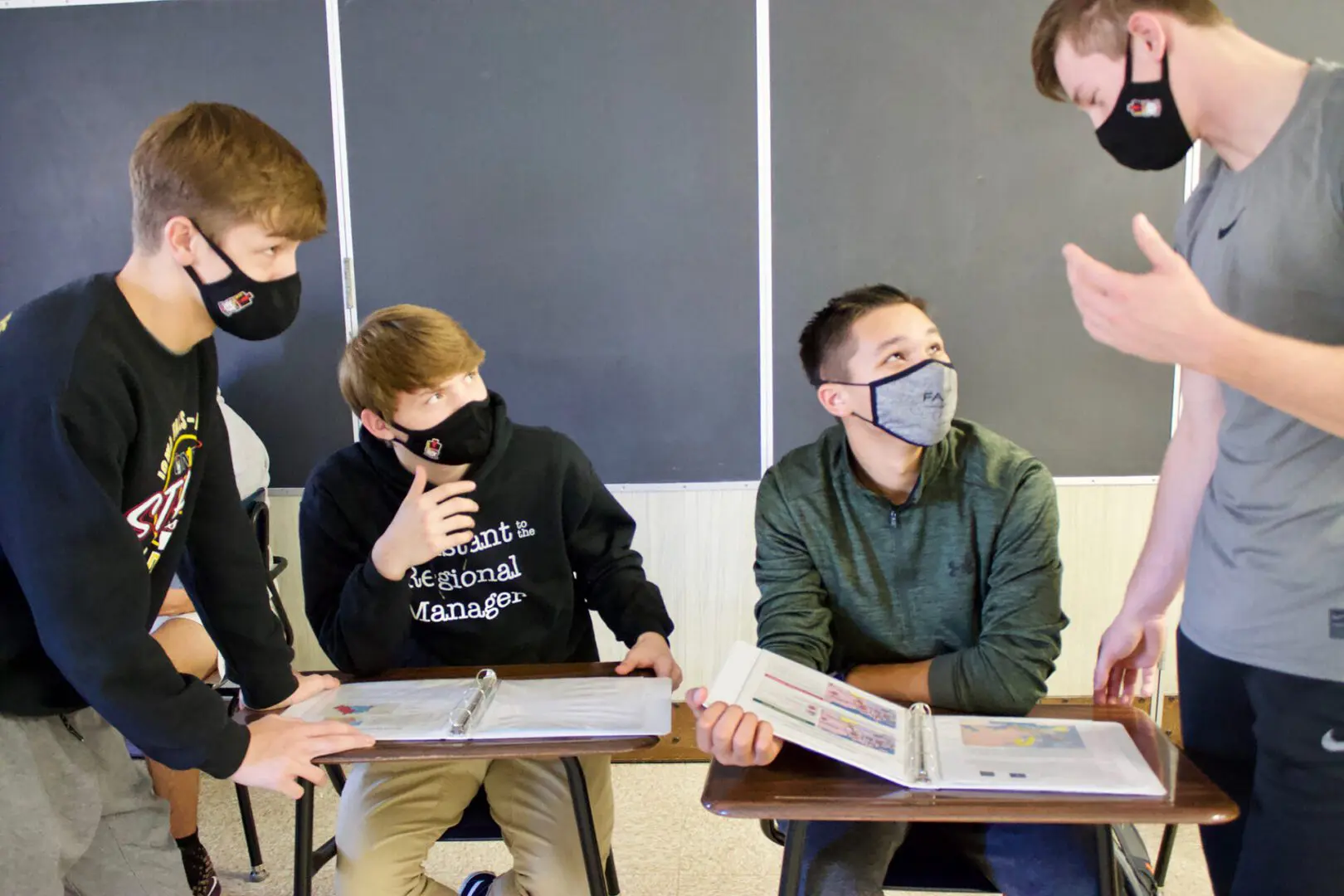
Why should teachers use History Simulations in the Classroom? Social Studies Games promote the social and emotional growth of kids, logical reasoning, and decision making. Simulations increase social interaction and enhance problem-solving skills, individually as well as in a group setting. Using World History Simulations is a unique way to increase your students' interest and enthusiasm for history! Using simulations for education makes learning fun and increases understanding of why events in history happened. You will also find Common Core Social Studies Reports included.
Social Studies Games Build 21st Century Skills
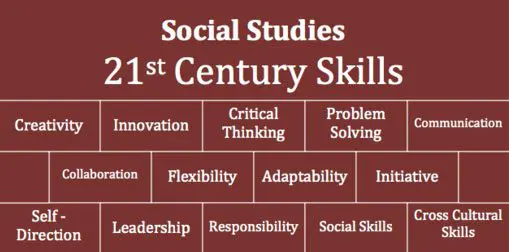
The term 21st Century Skills refers to a broad set of knowledge, skills, work habits, and character traits that are believed-by educators, school reformers, college professors, employers, and others-to be critically important to success in today's world, particularly in collegiate programs and contemporary careers and workplaces. Generally speaking, 21st-century skills can be applied in all academic subject areas and in all educational, career, and civic settings throughout a student's life.
History Simulations require students to practice a wide variety of 21st-century skills as they engage with the material and each other.
For more detail, see History Simulations & 21st Century Skills

History Simulations Achieve Multiple Common Core State Standards
The Common Core State Standards for English Language Arts & Literacy in History/Social Studies, Science, and Technical Subjects represent the next generation of K–12 standards designed to prepare all students for success in college, career, and life by the time they graduate from high school.
The standards establish guidelines for English language arts (ELA) as well as for literacy in history/social studies, science, and technical subjects. Because students must learn to read, write, speak, listen, and use language effectively in a variety of content areas, the standards promote the literacy skills and concepts required for college and career readiness in multiple disciplines.
History simulations challenge students to communicate effectively in a variety of ways as they engage with the subject matter and each other.
Learn which of The Common Core standards history simulations address.
Podcasts About History Simulations

Edu-Talk-Radio
Edu-Talk-Radio
Host Larry Jacobs interviews History Teacher David Harms, creator of Historysimulations.com, and IFAHS Principal Tony Neumann about the effects of History Simulations in the classroom. The three discuss the engagement and critical thinking that these History Simulations have facilitated in their History Classrooms. Edu-talk-radio is Talk Radio for educators and administrators about educational products and services with industry and professional guests, K-university.
Click the link to listen to Interview:
THE POWER OF HISTORY SIMULATIONS FOR YOUR CLASS

Cool Cat Teacher
Cool Cat Teacher
History teacher David Harms uses simulations to teach history. Whether it is World War 1, World War 2, the Cold War, or the American Civil War, learn how these immersive “games” teach history much more deeply than most textbooks. We can engage and excite this generation about history.
Click the link to listen to Interview:

The Marvin Byrd Show
The Marvin Byrd Show
"I've never been good at history." This is the mental barrier heard by many history teachers. Today, history is not solely about memorizing facts and events. It's about judging mistakes and praising good decisions throughout history. This involves a high level of analysis. Students have to go on a journey through time and see the event from the perspective of the people who were there. That is the challenge of a teacher who desires to maintain a high level of rigor in their lessons. Mr. Dave Harms joins this edition of The Marvin Byrd Show. He shares with us a simulation he created to increase rigor and engage all students.
Click the link to listen to Interview:




LATEST BLOG
 Latest blog
- WWII Simulation Student Journal: Italy May 29, 2023Italy 4 1938 – WWII Simulation The best thing for us to do is move our troops and Navy. Our plan is to take over Greece, French North Africa, or Egypt. We would like to attack French North Africa first because they have some of the resources we need, and it would also help us complete […]David
- WWII Simulation Student Journal: Finland and China May 8, 2023China 4 1938 WWII Simulation We were going through a lot in our country before WW2 even started. We had a civil war going on between the communists and the nationalists, and that affected us in the war. Even though we had a decent amount of troops, we had no resources to develop a stronger […]David
- WWI Simulation Student Journals: Italy May 1, 2023Italy, block 4, 1914 WWI Simulation Current thoughts, seeing as we are not able to mobilize in the year of 1914 and we must somehow gain control of part of Austria-Hungary. It also states that we need to make Alliances with France in secret but we also somehow need to be in alliance with Austria-Hungary […]David
- WWII Simulation Student Journal: France April 10, 2023Me or I = the French or France WWII Simulation France 4 1939 – The war in Asia had gotten worse for China, France, and Great Britain because China, France, and Great Britain lost a lot of troops. China also lost a lot of territory due to the Japanese invading and having many victories.France is […]David